Are you worried regarding how to choose an international freight forwarder? Choosing freight forwarder is one of those decisions that seems simple until you actually need one. Most businesses only start researching seriously after a shipment goes wrong, a customs delay, a surprise fee, or a delivery that arrives weeks late. A better approach is picking the right partner before that happens, not after.
This guide covers exactly what to look for, what to ask, and which warning signs matter most, whether you are shipping your first pallet or already managing regular container volume.
What a Freight Forwarder Actually Does
A freight forwarder does not typically own the ships, planes, or trucks that move your goods. Instead, they coordinate the entire journey on your behalf. They book cargo space with carriers, prepare and check customs documentation, arrange collection and delivery, and manage the handoffs between each stage of transport.
This matters because international shipping involves far more coordination than most people expect. A single shipment might move through a factory pickup, a port, a customs checkpoint, and a final delivery van, often across two or three different countries. A good forwarder manages all of that as one service. Without one, you would need to coordinate each piece separately yourself.
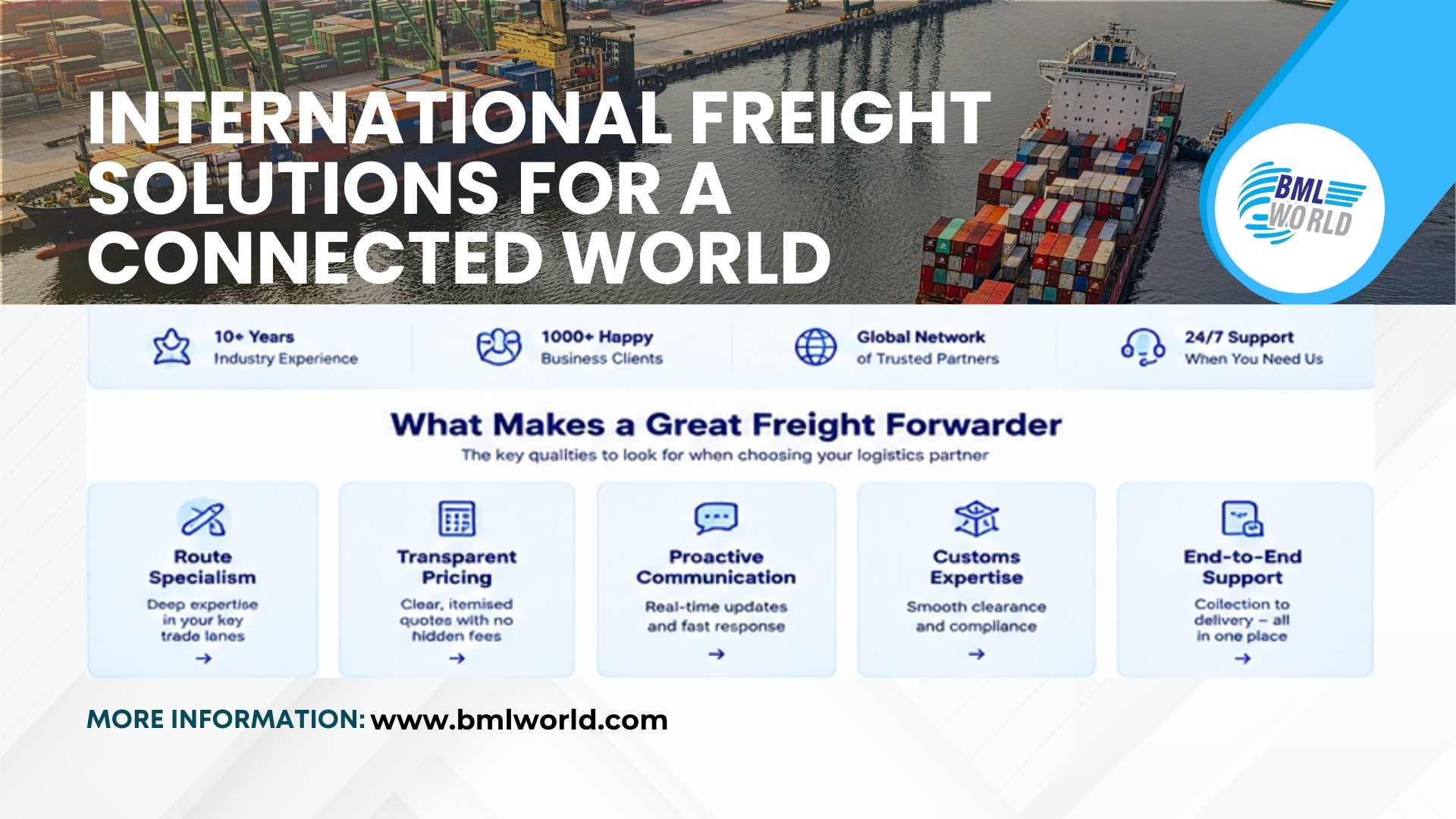
Freight Forwarder Versus Courier, Understanding the Difference
People often confuse a freight forwarder with a courier, but the two serve different purposes. A courier moves individual parcels quickly, usually by air, and works well for small, urgent shipments. A freight forwarder handles larger, more complex shipments, often by sea or a mix of methods, and manages the customs and documentation side that couriers typically simplify or bundle into a flat fee.
If you are shipping a handful of samples, a courier is usually the right tool. If you are importing regular container volume or managing ongoing supplier relationships abroad, a freight forwarder becomes the better fit, both for cost efficiency and for the level of customs expertise the job actually requires.
Check Their Experience With Your Specific Route
Not all freight forwarders have equal depth of experience across every trade route. A forwarder who mainly handles European shipments may not have the same familiarity with customs requirements for China, Bangladesh, or Dubai routes specifically.
Ask directly how much of their current business runs through your intended route. A forwarder who ships to your destination regularly will already understand the common documentation issues, typical customs delays, and realistic transit times for that specific corridor. This kind of practical, route specific knowledge is difficult to fake and easy to verify simply by asking detailed questions and seeing how confidently they answer.
Ask About Pricing Structure Before You Commit
Freight forwarder pricing can look deceptively simple on the surface, then grow once your cargo has already left origin. This is one of the most common complaints businesses have after choosing the wrong provider.
A trustworthy forwarder gives you an itemized breakdown covering freight cost, destination handling, customs clearance fees, and final delivery, rather than one bundled number. Ask specifically whether the quoted price includes customs duty and VAT, or whether those are billed separately once the shipment clears. Ask what happens if your shipment gets flagged for inspection, since additional charges here catch many first time importers off guard.
If a quote looks unusually low compared to others you have received, that is worth investigating rather than celebrating. Unusually cheap quotes sometimes hide fees that only appear later, once you are already committed to that provider for the shipment in progress.
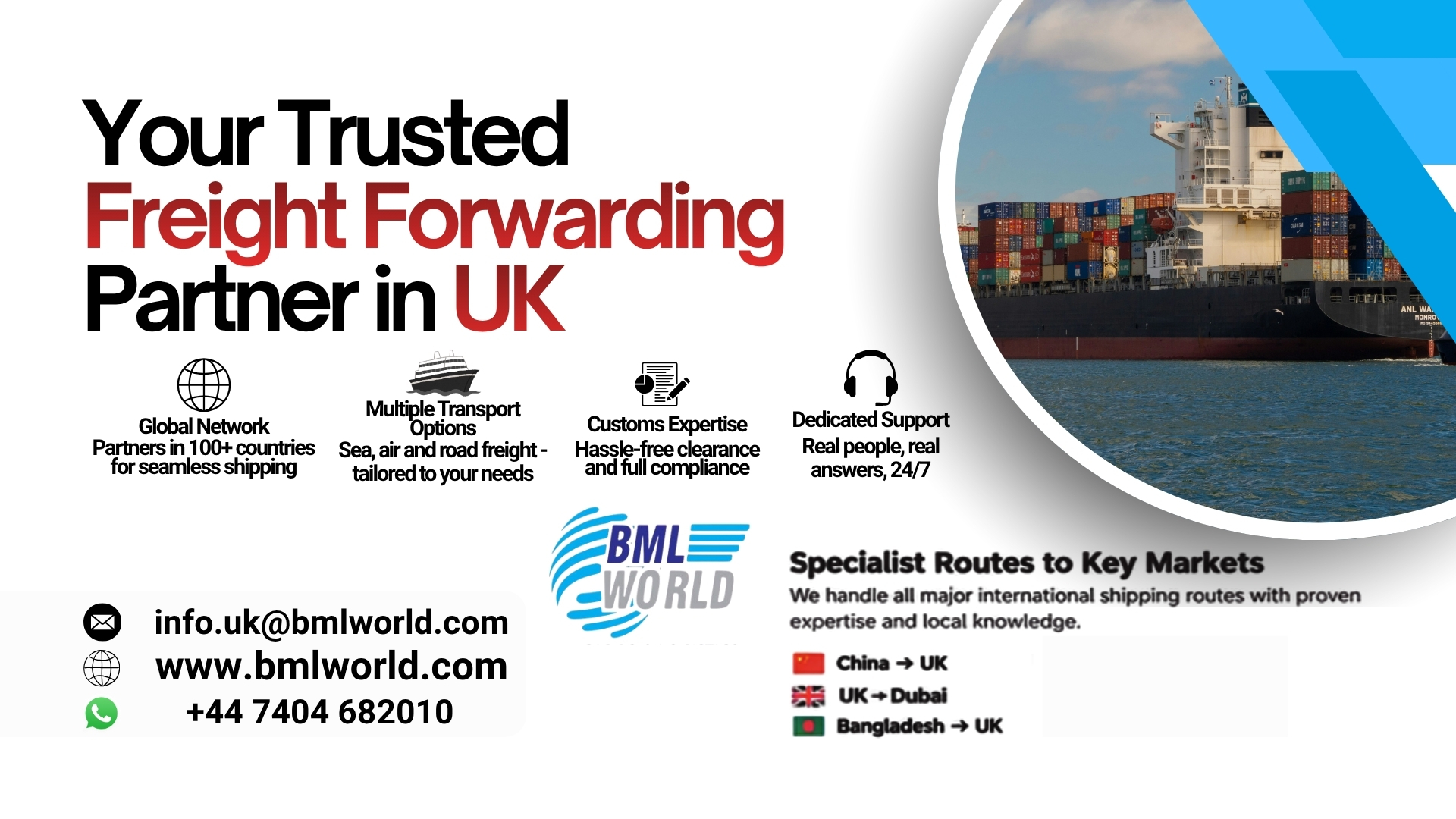
DDP Versus DDU, A Distinction Worth Understanding
Many freight forwarders offer both DDP and DDU service options, and understanding the difference protects you from an unpleasant surprise at delivery. DDP, Delivered Duty Paid, means the forwarder handles duty and VAT payment on your behalf as part of the service. DDU, Delivered Duty Unpaid, means that responsibility falls to you directly once the shipment arrives.
DDP sounds more convenient, and often is, but it is worth confirming exactly how the forwarder handles VAT documentation under this arrangement. Some lower cost DDP services use clearance methods that do not provide the paperwork, specifically a C79 certificate, that VAT registered UK businesses need in order to reclaim that VAT later. Ask this question directly before choosing DDP over DDU, since the wrong answer here can cost you money you did not expect to lose.
Look at Reviews Beyond Their Own Website
Testimonials on a freight forwarder’s own site tell you very little, since no company publishes negative feedback about itself. A quick search for the company name alongside terms like reviews or Trust pilot usually surfaces more honest, independent feedback within minutes.
Pay particular attention to reviews mentioning communication during problems, not just reviews praising smooth, uneventful shipments. Every forwarder looks good when nothing goes wrong. The reviews that matter most describe what happened when a shipment was delayed, damaged, or held at customs, since that is exactly the situation where a forwarder’s real value becomes obvious.
Ask How They Handle Communication and Tracking
Visibility into your shipment matters more than most first time importers expect. A forwarder who only updates you when you specifically ask is a very different experience from one who proactively flags delays or issues as soon as they happen.
Ask what tracking system they provide, and how quickly you can expect a response if you have an urgent question mid shipment. For time sensitive cargo especially, this responsiveness often matters more than a slightly lower price, since a fast, honest update about a delay lets you plan around it, while silence leaves you guessing.
Consider Whether You Need Door to Door Service
Some freight forwarders manage the entire journey, collection, customs, and final delivery, as one coordinated service. Others handle only part of that chain, leaving you to arrange separate collection or final mile delivery yourself.
Door to door service costs more, but it removes several potential failure points, since fewer companies are involved in handing your cargo between each stage. For businesses new to importing, or anyone who values simplicity over shaving a small amount off the total cost, door to door service is usually worth the difference.
Is a Freight Forwarder Worth the Cost
For most businesses moving more than a handful of small parcels, yes. The time saved coordinating customs, documentation, and multiple transport legs yourself typically outweighs the forwarder’s fee, particularly during your first year or two of establishing a reliable import process. It is entirely possible to manage international shipping without a forwarder, and some experienced businesses do exactly that, but the learning curve and risk of costly mistakes is considerably higher without one.
Red Flags Worth Taking Seriously
A few warning signs are worth treating as genuine deal breakers rather than minor concerns. A forwarder who cannot clearly explain their pricing structure when asked directly is one of the clearest signs to walk away. Confusion or vague answers about costs at the quote stage rarely improve once you are already committed to a shipment.
A forwarder unwilling to provide references or point you toward independent reviews is another signal worth taking seriously. Legitimate, established forwarders are generally comfortable with this request, since they have genuine satisfied customers to point to. Reluctance here often means there is something they would rather you not find.
Pressure to commit quickly, before you have had time to compare other quotes or ask your own questions, is also worth treating with suspicion. A reputable forwarder understands that choosing a logistics partner is a meaningful decision and will not rush you through it.
How Insurance Fits Into the Decision
Cargo insurance is worth discussing explicitly with any forwarder you are considering, since coverage varies considerably between providers and is not always included by default. Ask specifically what happens if your shipment is lost or damaged in transit, and whether basic liability coverage is included or whether additional insurance needs to be purchased separately.
For high value shipments in particular, confirming insurance details before your goods leave origin matters far more than after something has already gone wrong. A forwarder who proactively raises this topic during the quote process, rather than waiting for you to ask, is usually a good sign of a provider who takes the full responsibility of the job seriously.
How to Choose an International Freight Forwarders for Growing Businesses
As your shipping volume grows, your needs from a freight forwarder tend to change. A provider who worked well for occasional small shipments might not have the infrastructure to support a regular container schedule without service quality slipping.
It is worth asking prospective forwarders directly how they handle scaling clients, and whether their pricing or service level improves as your volume increases. A forwarder genuinely interested in a long term relationship will usually have a clear answer here, since supporting growing clients well is exactly how they build their own business over time. This is also a useful test of how a forwarder thinks about the relationship, as a genuine partnership that grows with you, or simply a series of individual transactions.
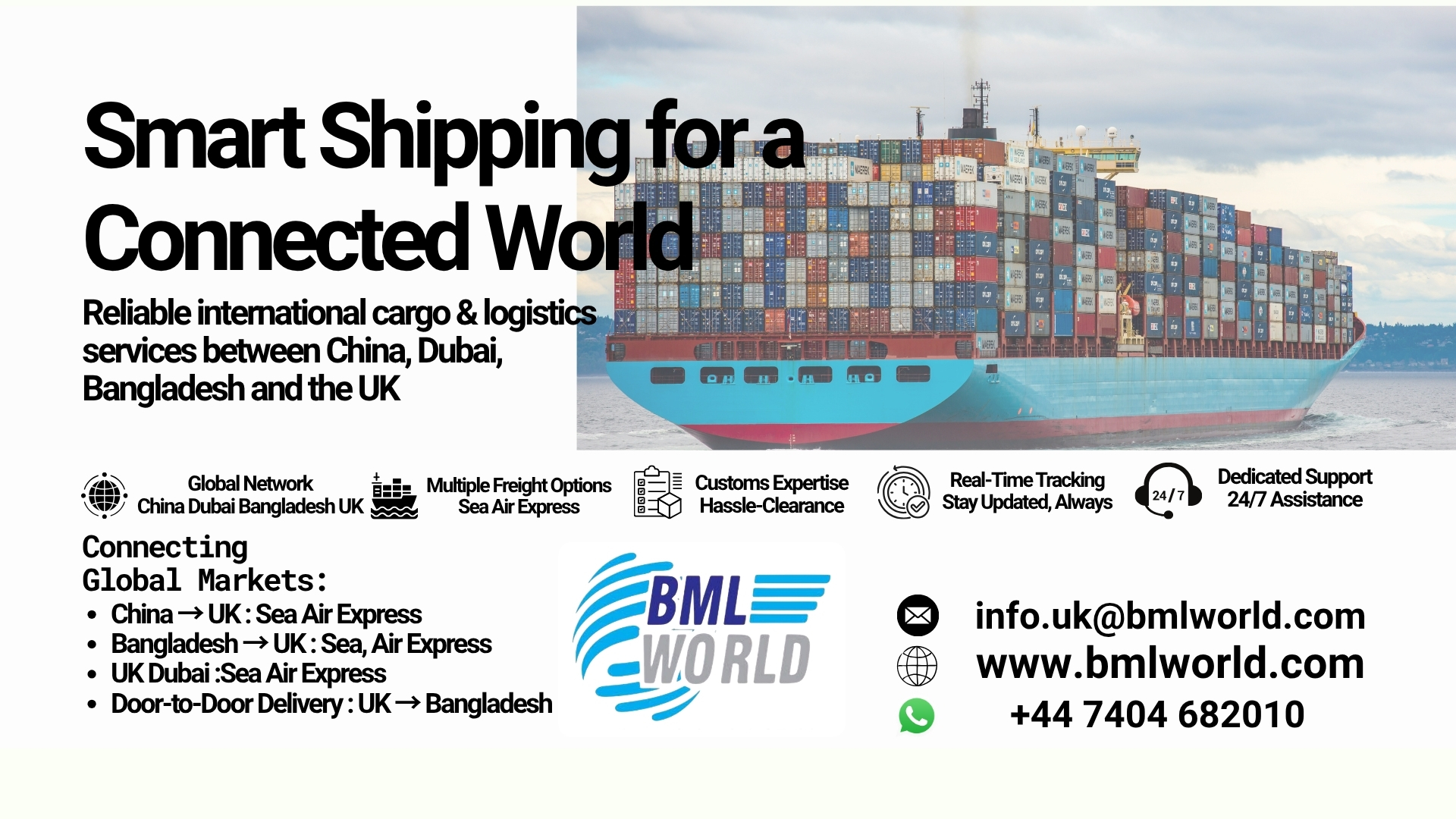
Questions Worth Asking on Your First Call
A useful way to evaluate any freight forwarder quickly is through a short list of direct questions during your first conversation. Ask how long they have operated on your specific route, and how many active clients they currently serve there. Ask what happens, step by step, if your shipment is delayed at customs, and listen for a clear, specific answer rather than a vague reassurance.
Ask whether their quote includes destination handling and customs clearance, or whether those are separate. Ask how they communicate updates, proactively or only on request, and through what channel. Ask, too, how they handle a shipment during an unexpected event, a strike, a natural disruption, or a sudden change in customs rules, since how a forwarder responds under genuine pressure tells you more about their reliability than how smoothly they handle a routine shipment. A forwarder who answers these questions clearly and specifically, without hesitation, is generally demonstrating exactly the kind of operational maturity you want in a long term logistics partner. Vague, general answers to specific questions are worth noting as a caution sign, even if the overall pitch sounds reassuring.
The Value of a Long Term Relationship
Many businesses treat their first shipment as a one off transaction, comparing quotes fresh each time rather than building a relationship with a single trusted provider. While this can occasionally save a small amount on an individual shipment, it usually costs more over time in lost efficiency, since a forwarder who understands your business, your typical shipment patterns, and your specific needs can often solve problems faster and negotiate better rates as your volume grows.
Building a genuine relationship with one reliable forwarder, rather than shopping around for every single shipment, tends to pay off considerably over a year or two of regular importing, both in service quality and in the kind of flexibility a forwarder extends to an established, trusted client that they would not extend to a one time customer.
Final Checklist Before You Choose
Before signing with any freight forwarder, confirm they have genuine experience on your specific route, request an itemized price breakdown rather than one bundled figure, clarify whether DDP or DDU suits your situation and confirm VAT documentation either way, check independent reviews rather than relying on their own website, and ask directly how they handle communication when something goes wrong rather than just when things go smoothly.
A good freight forwarder becomes a genuine extension of your supply chain, not just a vendor you deal with once per shipment. Taking the time to choose carefully at the start saves considerable stress, and often real money, over every shipment that follows.
If you are currently comparing options, resist the urge to base your decision on price alone. The cheapest quote rarely stays the cheapest once hidden fees, delays, and poor communication are factored into the real cost of a shipment gone wrong. A slightly higher upfront price from a forwarder with genuine route experience, transparent pricing, and a track record of clear communication almost always works out better value over the course of an ongoing business relationship, not just on paper for a single shipment.